

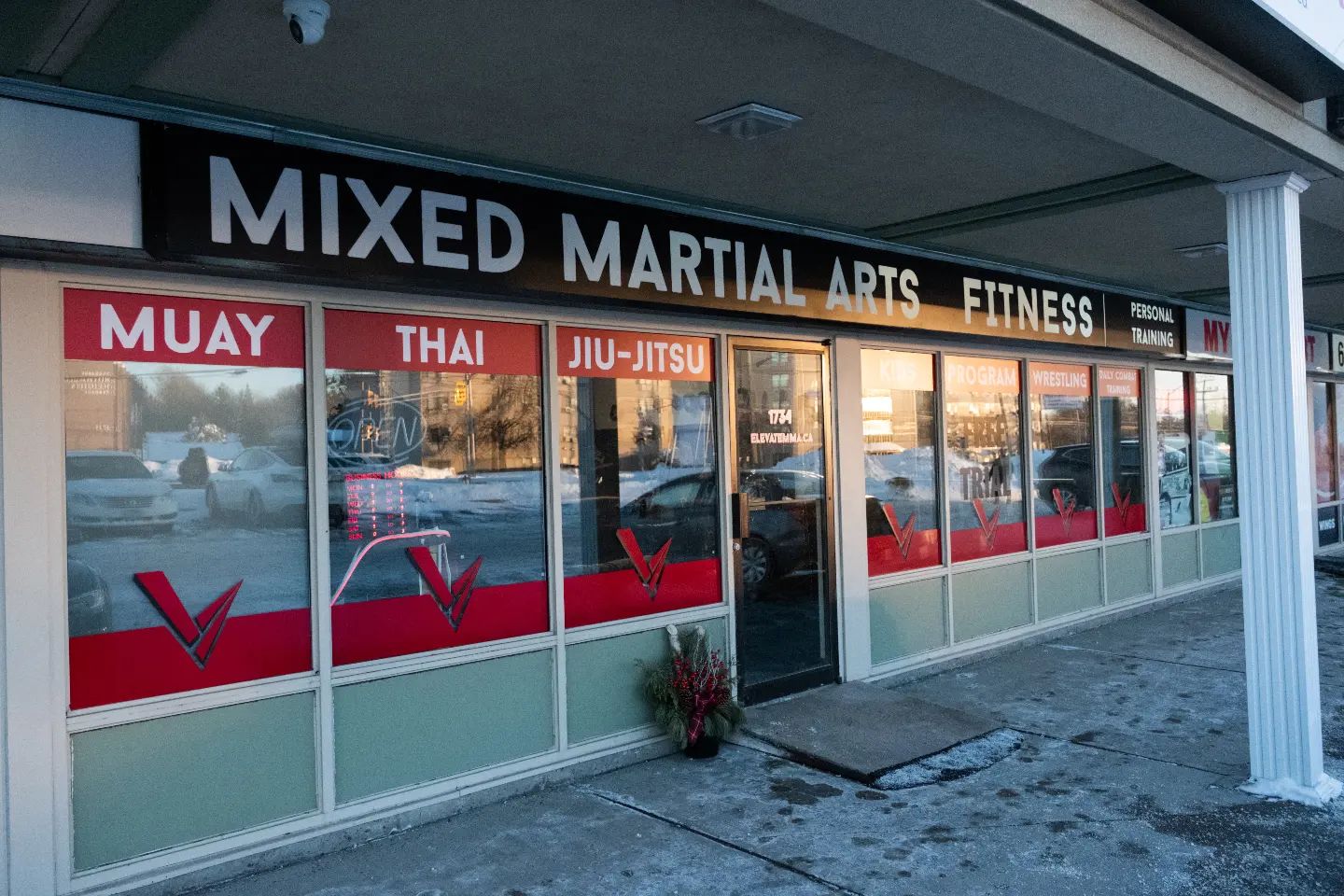
Choosing a martial arts gym is one of the most important decisions a person or family can make when starting on a training journey. The right gym supports growth, builds confidence, increases physical fitness, and helps students develop valuable life skills such as discipline, focus, and resilience. For people in Orleans, Gloucester, and Ottawa, the question is not just “which gym,” but “which environment, coaching style, and culture will help me or my child thrive?” The answer goes beyond surface impressions and gym aesthetics. It involves understanding what matters most for long-term development.
Martial arts training isn’t a one-size-fits-all experience. A strong program must protect safety, promote learning, maintain consistent direction, and support students both mentally and physically. Whether someone is looking for confidence, self-defense skills, fitness, or transformation, the right gym provides structure, coaching, and community that aligns with personal goals. This guide outlines what to look for when choosing a martial arts gym in Orleans, Gloucester, or Ottawa so that students can train with purpose and grow with confidence.
Understanding Training Goals Before Choosing
Before choosing a gym, students and families should clarify their goals. Martial arts can serve a range of objectives:
- Self-defense capability
- Fitness and conditioning
- Confidence building
- Discipline and personal growth
- Competitive training
- Youth development and character building
Understanding goals first helps guide the gym selection process because not all gyms focus on the same priorities. Some programs emphasize sport-oriented training while others prioritize self-defense or character development. Knowing what one wants out of training — whether it is fitness, technique, confidence, or skill — sets the foundation for evaluating which gym is the best fit.
Safety: A Non-Negotiable Priority
Safety should always be the first thing to check when evaluating a martial arts gym. Physical activities that involve striking, grappling, and partner work naturally carry risk, but a quality gym minimizes unnecessary risk through:
- Proper warm-ups and cool-downs
- Age-appropriate instruction
- Supervised partner practice
- Emphasis on technique before intensity
- Clear rules and safety protocols
Coaches should be trained to prioritize student safety, look for signs of strain or improper form, and adjust training accordingly. A gym that rushes students into advanced drills or overlooks correct technique increases the likelihood of injury. For families in Orleans, Gloucester, and Ottawa, confirming that safety standards are taken seriously is essential before joining any program.
Coaching Experience and Teaching Ability
Good coaching goes beyond knowing techniques. The right coach understands how to teach individuals at various levels while maintaining encouragement, structure, and progression. Coaches should be able to:
- Break down complex movements into understandable steps
- Offer corrections that enhance skill without creating intimidation
- Adjust explanations for beginners and advanced students alike
- Provide constructive feedback in a supportive manner
In many cases, experienced coaches also understand how to manage group dynamics and ensure that each student receives attention. A gym with strong coaching will help students grow consistently without feeling lost or overwhelmed.
Structured Curriculum and Skill Progression
A gym with a structured curriculum provides clarity and purpose in training. Students need to know not just what they are doing today, but how today’s training fits into their long-term development. A curriculum should:
- Have clear levels of progression
- Outline fundamental techniques at each stage
- Provide measurable criteria for advancement
- Ensure students build skills in a logical sequence
Without structure, training becomes disjointed and inconsistent. Students may feel unsure of progress or unclear about what comes next. A well-structured martial arts curriculum keeps motivation strong and helps students observe real improvements over time.
Environment: Encouragement Over Intimidation
The training environment profoundly affects student experience. A gym should feel welcoming, inclusive, and respectful, not intimidating or overly competitive. Students of all ages and backgrounds benefit from an environment where:
- Mistakes are treated as learning opportunities
- Respect and courtesy are practiced
- Coaches and peers support individual improvement
- Progress, not perfection, is emphasized
For children, this type of environment fosters confidence and a positive mindset toward learning. For adults, it reduces anxiety and creates a space where personal goals can be pursued without fear of judgment.
Variety of Classes and Scheduling Flexibility
Life in Orleans, Gloucester, and Ottawa is busy. Work schedules, school, family commitments, and social obligations can make it hard to train consistently. A gym that offers a schedule with multiple class times and training options makes it easier to stay committed. Important scheduling considerations include:
- Morning and evening classes
- Weekend options
- Separate classes for kids and adults
- Programs for beginners and advanced students
- Open mat times for extra practice
A gym that accommodates various schedules supports long-term consistency, reducing excuses and making progress more manageable.
Skill Focus and Training Style
Martial arts encompasses many styles and emphases. Some gyms focus on striking arts like Muay Thai, others emphasize grappling through Brazilian Jiu-Jitsu, and many integrate multiple disciplines through Mixed Martial Arts (MMA). Each style teaches different aspects of physical and mental development:
- Striking arts improve power, timing, and footwork
- Grappling arts enhance leverage, control, and balance
- Combined systems develop versatility and adaptability
Students should choose a gym whose style matches their interests and goals. For example, someone focused on self-defense might prefer a gym with practical application drills, while someone seeking fitness and conditioning might enjoy a striking-based program.
Community and Training Culture
A strong training community can be one of the most motivating factors in long-term martial arts development. A positive culture supports:
- Encouragement during challenges
- Accountability to show up consistently
- Celebration of individual and group progress
- Healthy relationships between students and coaches
When students feel connected, they are more likely to stay committed and enjoy training. Parents often choose martial arts gyms where children feel accepted and are motivated by peers.
Goal Setting and Personal Feedback
Personal feedback and goal setting are essential for sustained improvement. The right gym will help students:
- Set realistic short-term and long-term goals
- Receive feedback that is specific and actionable
- Understand areas of strength and areas for growth
- Track progress in technique, fitness, and confidence
Managing expectations and pacing growth prevents frustration and supports sustained commitment.
Facility Quality and Equipment
While welcoming culture and coaching matter most, the gym’s physical environment also plays a role. Students should feel comfortable in a clean, well-maintained space with:
- Proper matting for safety
- Adequate training space for drills and movement
- Appropriate striking and grappling equipment
- Separate areas for different types of training
Cleanliness, organization, and proper equipment show that a gym values member experience and safety.
Special Programs and Training Options
A gym that provides specialized programs demonstrates its commitment to comprehensive training. Examples include:
- Kids’ martial arts classes
- Women’s self-defense programs
- Personal training sessions
- Fitness-oriented classes
- Advanced seminars or workshops
Special programs allow students to pursue specific goals within a supportive framework.
Trial Classes and Initial Assessment
Most high-quality martial arts gyms offer trial classes or evaluations. Taking advantage of a trial class allows prospective students to experience:
- Coaching style
- Class structure
- Training pace
- Interaction with members
- Facility environment
This first experience often reveals whether the gym feels like a good fit.
Considering Long-Term Fit Over Short-Term Appeal
Choosing a gym based on temporary factors like promotional pricing, flashy marketing, or convenience alone often leads to misalignment in the long term. Instead, students are best served by considering:
- The coaching philosophy
- The environment they want for growth
- The training style that matches their goals
- How well they feel supported and understood
Long-term fit matters more than short-term appeal. A place that supports sustained progress and confidence is worth the investment.
Building Personal Confidence Through Training
One of martial arts training’s often-overlooked benefits is confidence. With structured progression, students start trusting their abilities. Confidence grows through:
- Skill mastery
- Physical improvement
- Mental resilience
- Overcoming training challenges
Today’s beginners often become tomorrow’s confident, capable martial artists. This long-term growth extends far beyond physical fitness and carries into daily life.
The Role of Family in Choosing a Gym
Family involvement matters, especially when choosing a program for children. Parents should look for gyms that:
- Communicate clearly about expectations
- Provide updates on progress
- Encourage family participation in events
- Foster a positive environment for kids
A gym that supports family involvement enriches the training experience for young students and builds confidence in children.
Integration With Everyday Life
Once the right gym is chosen, integration into everyday life becomes a natural part of the journey. Students find discipline, focus, and resilience from training carrying over into work, school, and personal relationships. Martial arts is not just a physical activity; it is a lifestyle that builds habits supporting growth, confidence, and well-being.
Final Thoughts: Choosing With Purpose
Finding the right martial arts gym in Orleans, Gloucester, or Ottawa is about more than location or price. It requires thoughtful consideration of coaching quality, structured curriculum, safety standards, community culture, and personal goals. The right gym supports long-term growth and confidence, helping students not only become better martial artists but stronger, more confident individuals in all aspects of life.
Martial arts training is for everyone who wants guided growth, discipline, and personal transformation. With the right environment, supportive coaching, and consistent effort, students of all ages can experience meaningful progress, greater confidence, and improved quality of life.

